As the world’s third-largest electricity producer and consumer, India’s energy sector in 2025 is at a pivotal moment. With 466.24 GW of installed capacity, including 217.62 GW from renewables, India has transformed its energy mix. Solar power, at 100.33 GW, reflects a 35-fold increase since 2014, bolstered by 24.5 GW added in 2024. Wind power contributes 48.16 GW, supported by initiatives like the CCDC Wind Initiative.
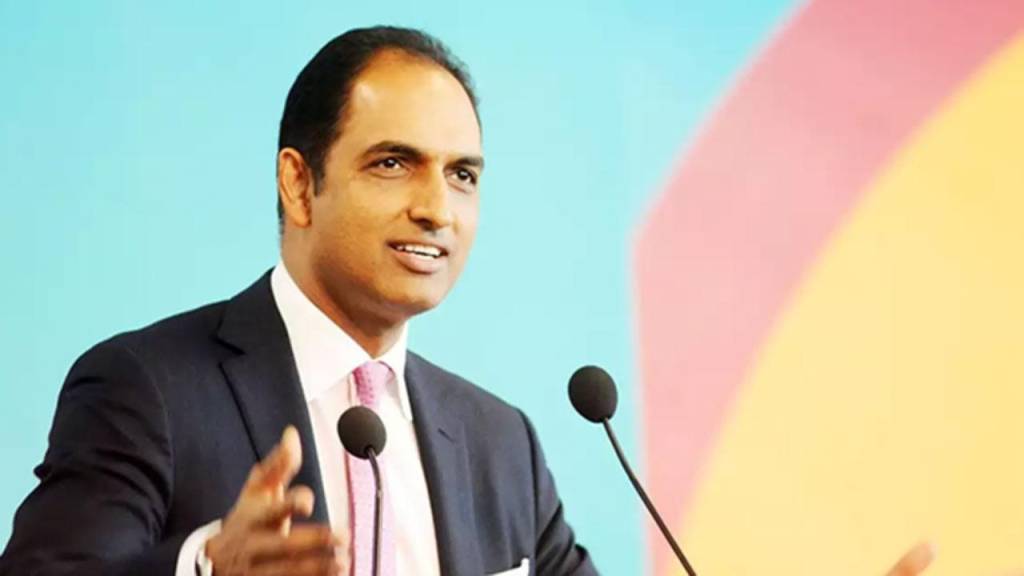
GV Sanjay Reddy, GVK Group’s promoter and vice chairman, highlights the need for strategic evolution. “India’s energy goals, like exceeding COP21 commitments, show progress, but population growth and technological advancements require ongoing adjustments,” he states. India surpassed its 40% non-fossil energy target by 2024 and aims for 500 GW by 2030, driven by policies like the Solar Parks Scheme and 100% FDI in renewables.
Despite advancements, challenges loom. Financially strained distribution companies and high borrowing costs hinder infrastructure upgrades. India’s reliance on imported coal, despite domestic reserves, raises environmental and efficiency concerns. The Central Electricity Authority forecasts 6% annual demand growth through 2030, but actual demand may exceed projections. Reddy advocates for grid modernization, energy storage, and green hydrogen to enhance sustainability.
India’s energy journey in 2025 balances remarkable renewable growth with persistent hurdles. Achieving long-term decarbonization and energy security requires robust investments, stronger policies, and global partnerships. By leveraging its renewable momentum, India can meet rising demand while leading the global clean energy transition.




 Indian Entrepreneur
Leave a comment